The south pole
Water ice, permanent shadow, and a legal regime that nobody has finished writing. The first commercially useful map of the Moon will be a map of who may do what, where.
London · Established 2026
Access, operations, passengers, discovery — and the intelligence that tells you which one to enter first. One company, five divisions, built in the order that pays for itself.
Thesis
Launch is no longer the hard part. It is priced, scheduled, insured and late — but it works. What does not work yet is everything downstream: who maintains an asset in orbit, who takes a passenger from enquiry to seat, who removes a dead satellite before it becomes someone else's problem.
That downstream layer is being built now, by very few companies, in a market that is still small enough to map. Tritonae exists to operate in it — and to sell the map while we do.
We start in London because the UK has a written licensing regime, a launch site on a Scottish island, and more trained space engineers than jobs for them. The market is global. The base is not.
Tritonae — five divisions, one instrument
Divisions
Each division has a customer, a horizon and a reason to exist before the next one starts. The intelligence division pays for the rest.
The market, counted
A count of scheduled records from the public launch library, deduplicated. Not a forecast of success.
Source: Launch Library 2, snapshot 2026-11-14.
In pictures
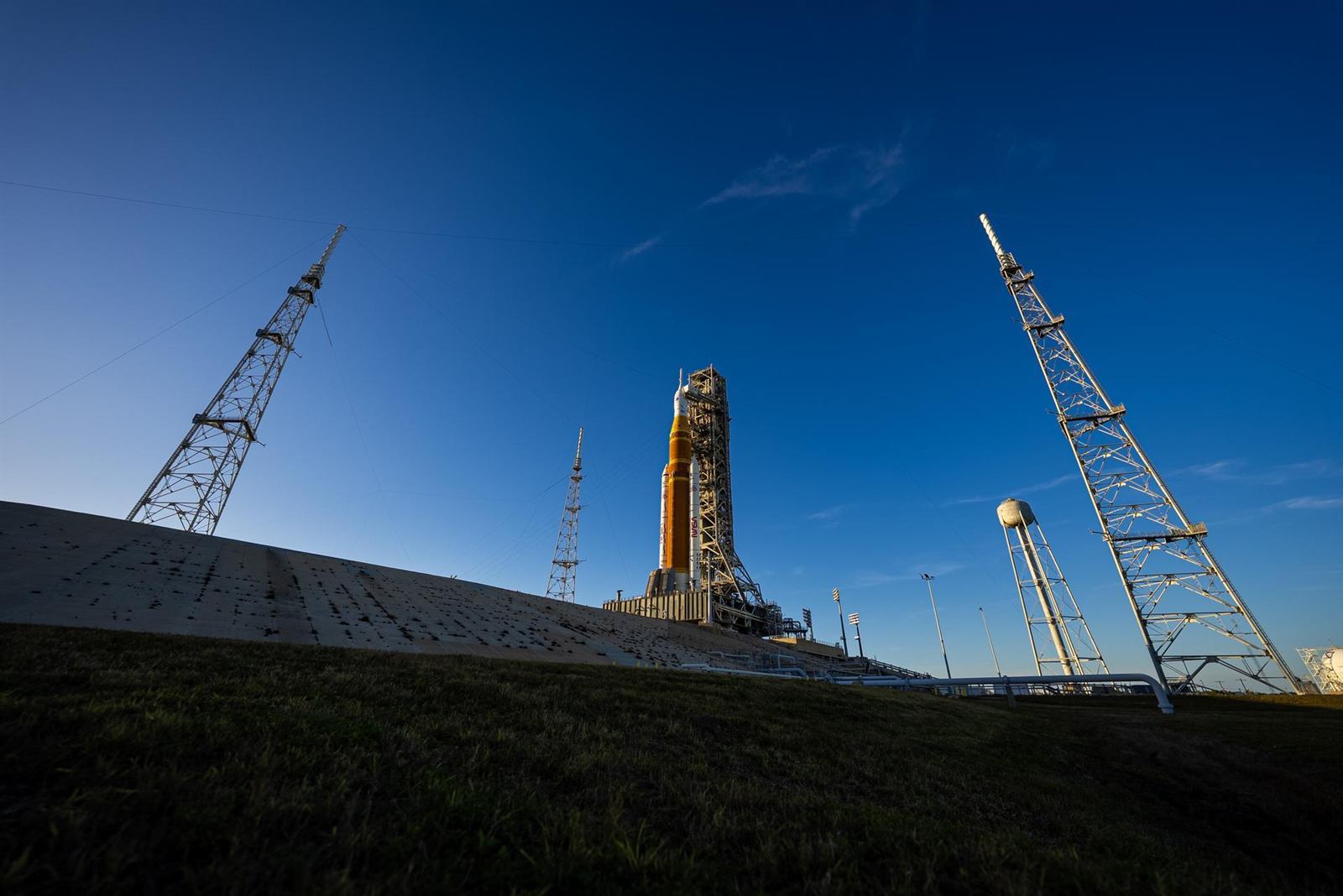
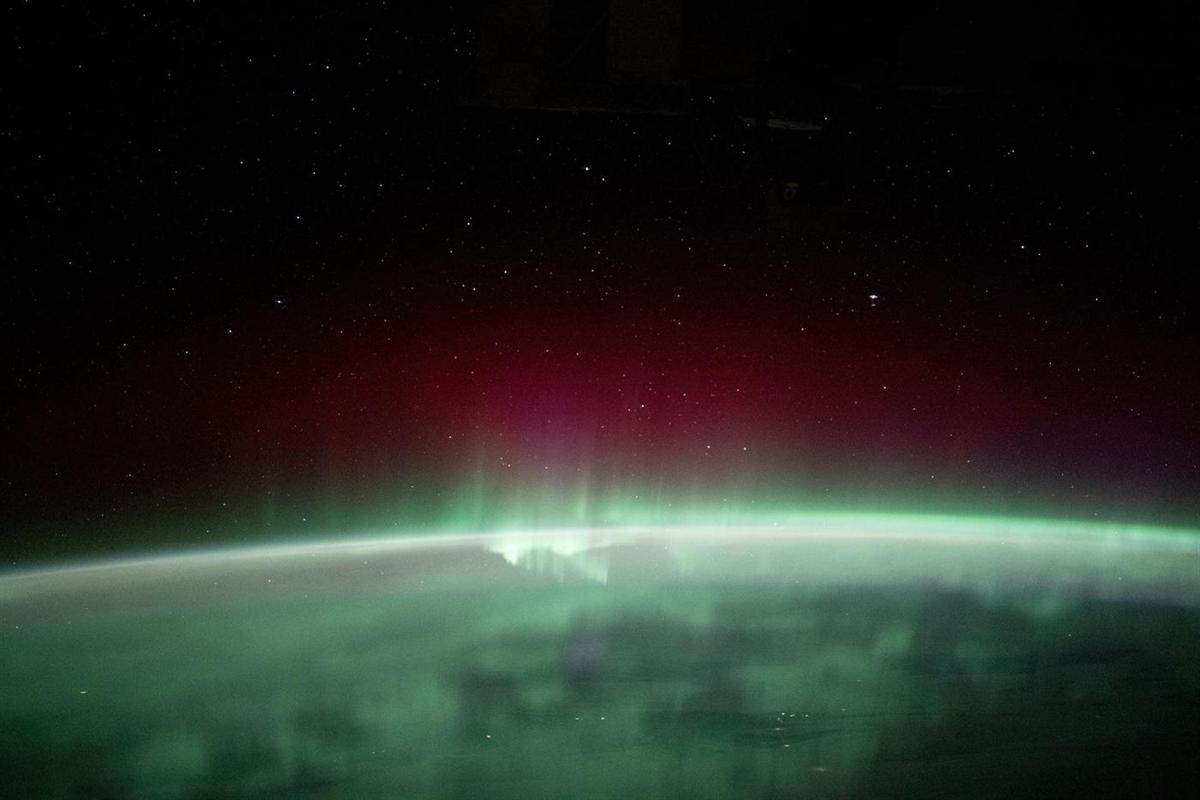
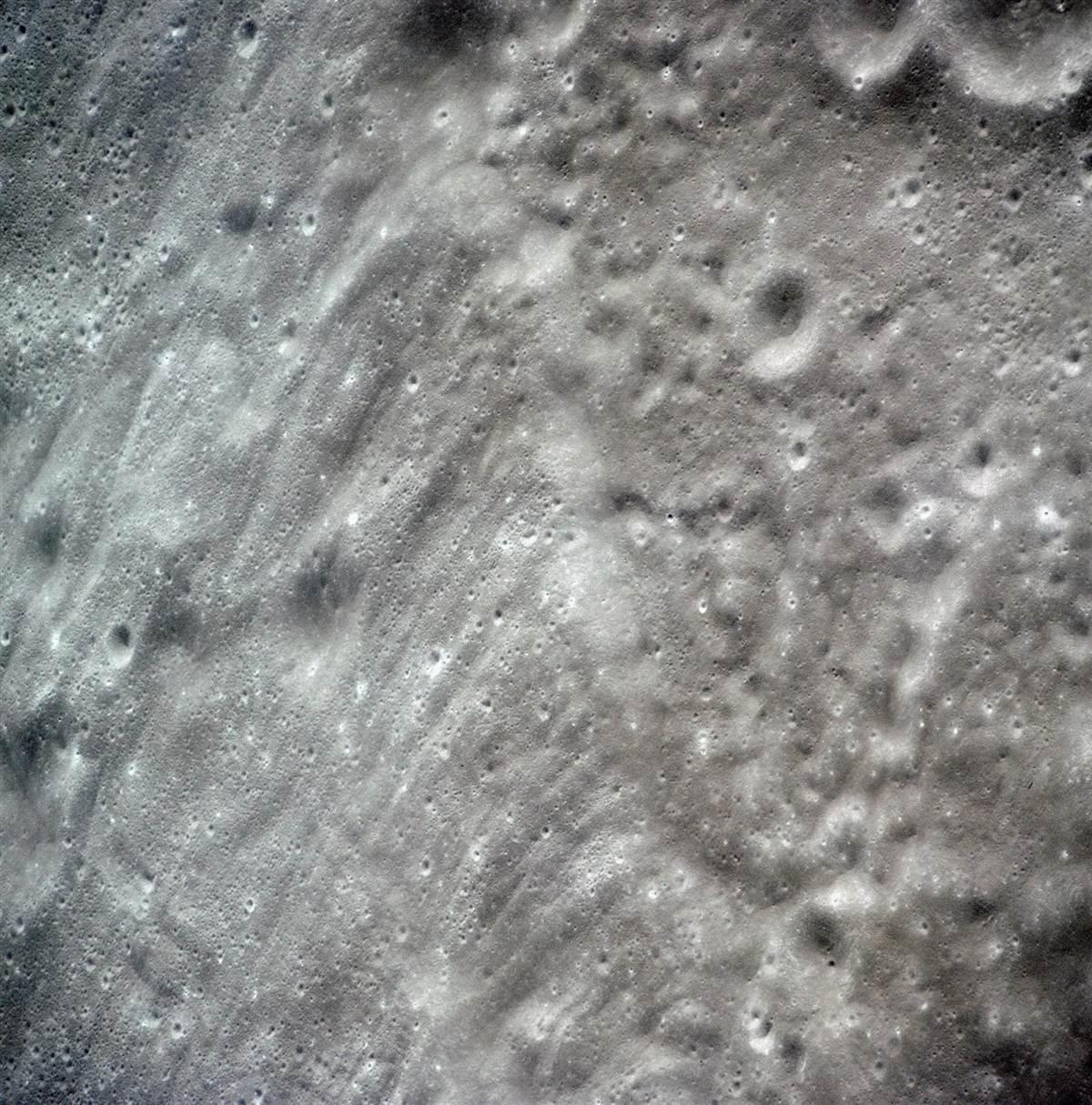
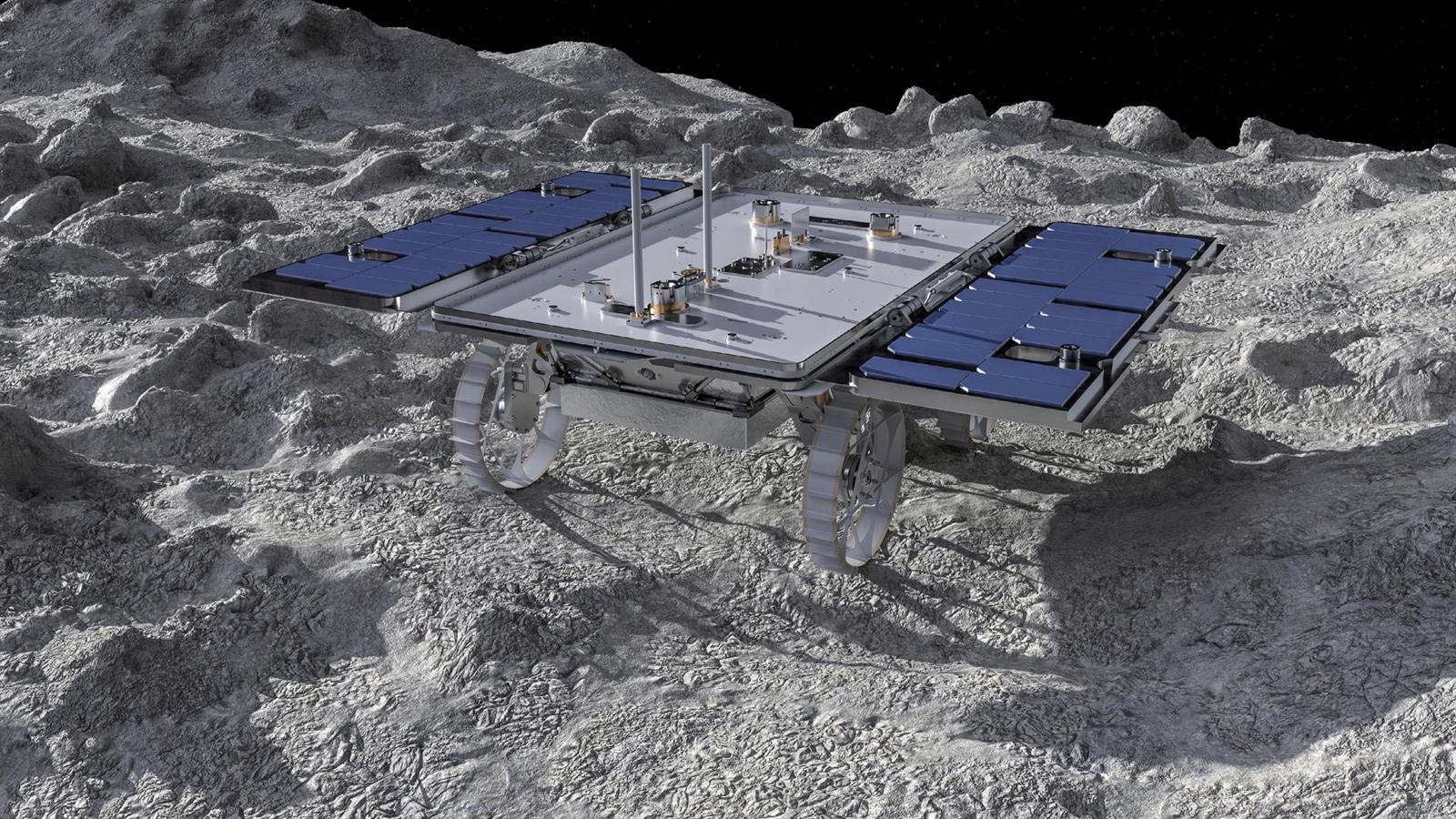
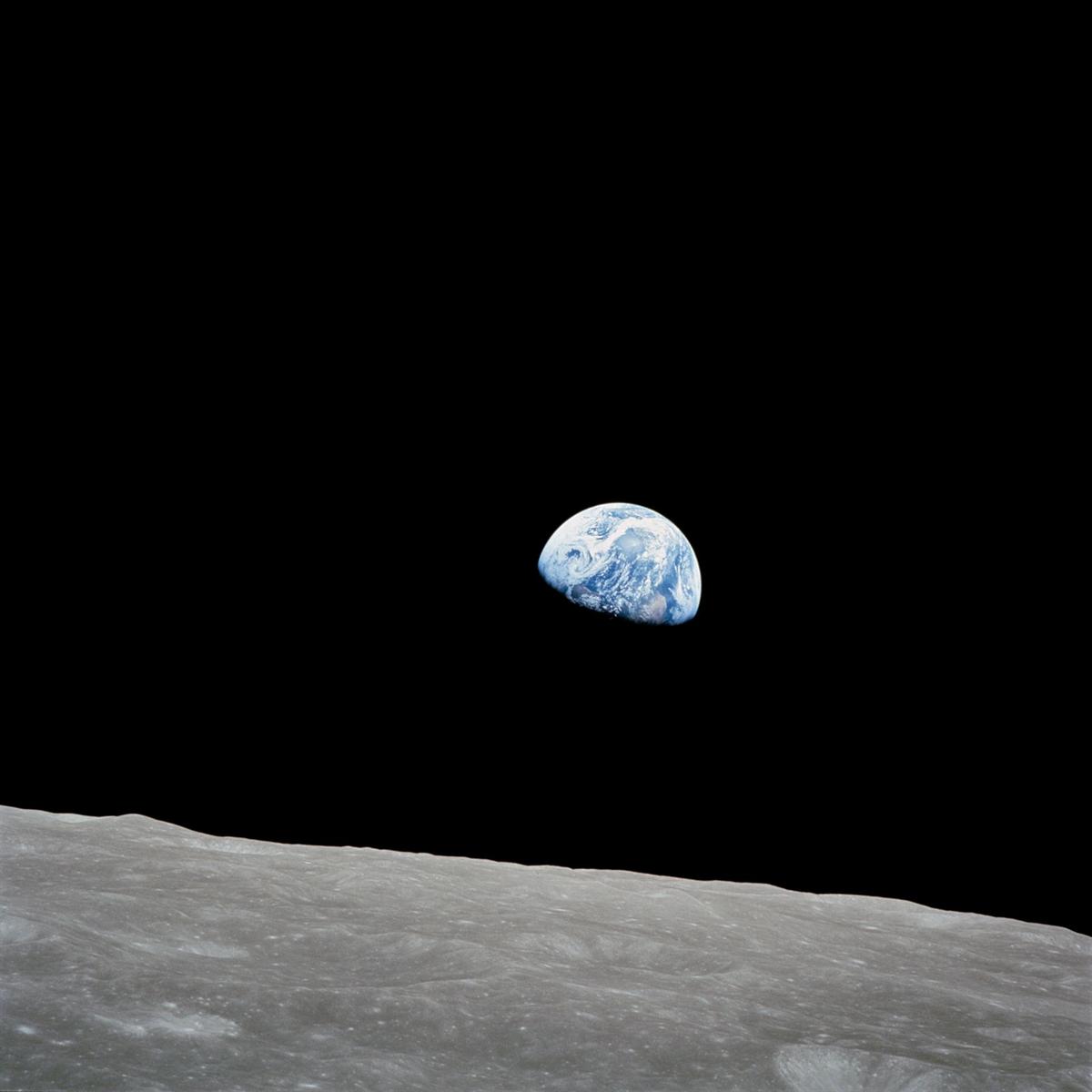
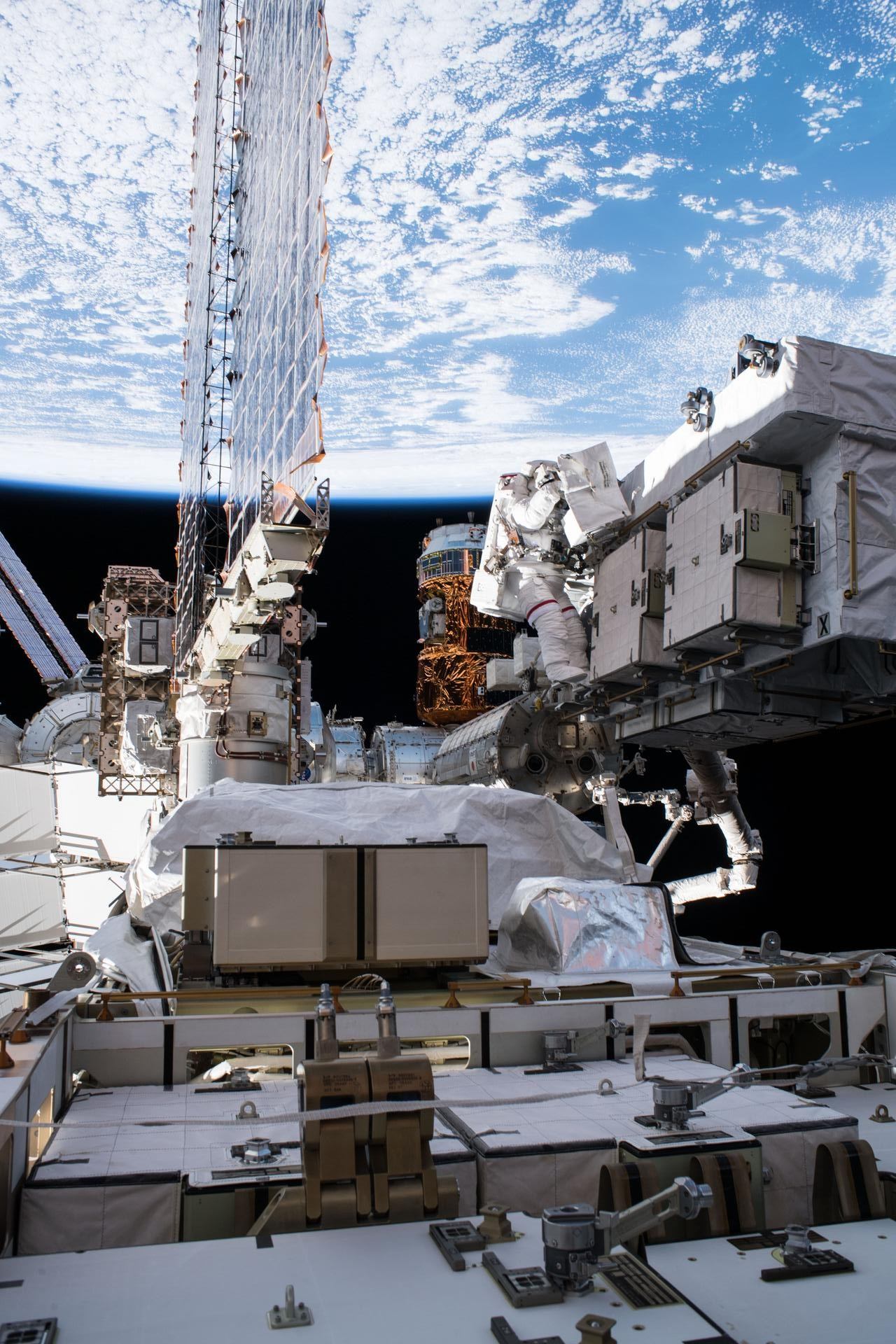
A pad, a crater, a station, a rover — and the people who pay for all of them.
Why now
The price of reaching orbit fell by an order of magnitude in a decade. What did not fall was the cost of deciding what to send.
The Space Industry Act 2018 and the CAA give the UK a licensing regime that is written, testable and still short of operators.
European space funding is moving from grants to equity. Equity asks for revenue, and revenue asks for customers.
The UK trains more space engineers than it employs. That is a supply of founders, not only of staff.
Programmes
A programme starts when the previous one pays for it. The year is a horizon, not a promise.
96 criteria across 18 domains, applied identically to every country. The instrument the rest of the company is built on. Running.
A brokerage desk for rideshare and dedicated slots: price per kilogram, risk per manifest, one contract instead of four.
The UK's first independent route from enquiry to seat: medical screening, training placement, operator contract, insurance.
Intelligence
Every country is scored on the same 96 criteria, in the same 1–5 scale. Missing data is shown as a gap, never filled with a guess. A country under 60% coverage does not get a verdict at all.
Value chain, demand, access to orbit, tourism, education, technology, capital, regulation, policy, geography, market access from the UK, risk. This layer produces the verdict.
People, institutions, grants, law and tax, capital, scientific standing. This layer answers whether a product can be built and who would pay.
Science
In 1492 the question was not whether the ocean had an edge. It was who would pay to find out.
Discovery is a customer segment. It has a budget, a buyer and a delivery date.
Water ice, permanent shadow, and a legal regime that nobody has finished writing. The first commercially useful map of the Moon will be a map of who may do what, where.
Near-Earth objects are resources and risks in the same catalogue. The instruments that find them are built by universities; the customers who need the data are insurers and operators.
Europe builds excellent instruments and struggles to fly them. Matching an instrument to a host is a brokerage problem dressed as a science problem.
Contact
A first conversation is free and usually short: what you are entering, what you already have, what would change your mind.
hello@tritonae.com